

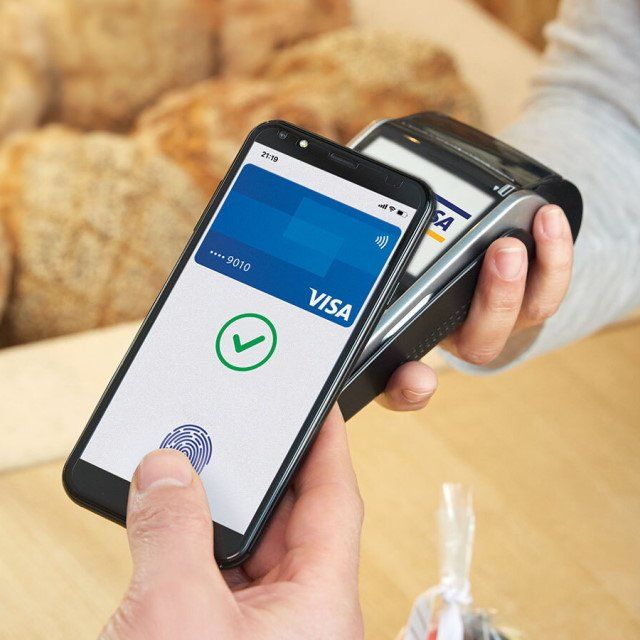
In today’s digital landscape, payment data security has become an essential priority for businesses and consumers alike. With the rise of online transactions, mobile payments, and e-commerce, safeguarding sensitive financial information is no longer optional, it’s critical. Understanding the principles of data security and implementing robust measures can protect both your organization and your customers from potential threats.
Why Payment Data Security Matters
- Preventing fraud: Cybercriminals constantly target financial transactions. Without proper security, your customers’ payment information could be stolen.
- Maintaining trust: Customers expect their financial data to be safe. A breach can damage your reputation permanently.
- Regulatory compliance: Many countries have strict laws governing how payment data is handled. Ensuring security keeps your business compliant.
- Minimizing financial losses: Data breaches can result in costly penalties and loss of revenue.
Key Principles
- Encryption: Encrypting payment information ensures that even if data is intercepted, it cannot be read without proper decryption keys.
- Tokenization: Replacing sensitive data with unique tokens prevents actual payment information from being exposed during transactions.
- Secure authentication: Multi-factor authentication adds layers of protection, making unauthorized access much harder.
- Regular audits and monitoring: Continuous monitoring of systems helps detect unusual activity early, preventing potential breaches.
- Compliance with standards: Adhering to standards like PCI DSS (Payment Card Industry Data Security Standard) is critical for maintaining data security in payment processes.
Common Threats
Understanding potential threats helps in developing a stronger defense:
- Phishing attacks: Scammers trick users into revealing sensitive information via fraudulent emails or messages.
- Malware: Malicious software can infiltrate systems and capture payment data.
- Skimming devices: Physical devices attached to card readers can steal card details during transactions.
- Data breaches: Large-scale breaches at companies can expose millions of users’ financial information.
Best Practices for Securing Payment Data
Businesses can take practical steps to strengthen payment data security:
- Adopt secure payment gateways: Use trusted platforms that prioritize encryption and fraud detection.
- Educate employees: Staff should understand the importance of data security and follow protocols for handling payment information.
- Update software regularly: Security patches and updates protect systems from vulnerabilities.
- Limit access: Only authorized personnel should access sensitive payment information.
- Monitor transactions: Detect unusual patterns that may indicate fraudulent activity.
Role of CHIP in Payment Data Security
When it comes to securing online transactions, CHIP offers solutions designed to maintain high standards of payment data security. By integrating advanced encryption, tokenization, and secure authentication mechanisms, CHIP ensures that sensitive financial information remains protected at every stage of a transaction. Businesses that utilize CHIP can offer their customers a safe and seamless payment experience.
The Future of Payment Data Security
As technology evolves, so do the methods cybercriminals use. Future trends in payment data security include:
- AI-powered fraud detection: Artificial intelligence can analyze transaction patterns in real-time to prevent unauthorized activities.
- Biometric authentication: Fingerprint, facial recognition, and other biometric methods enhance user verification.
- Blockchain technology: Decentralized and tamper-proof, blockchain can secure financial transactions more effectively.
- Increased focus on privacy laws: Businesses will need to comply with stricter regulations to protect consumer data.
Conclusion
Securing payment transactions is no longer optional in the digital age. Businesses must prioritize payment data security to prevent fraud, build trust, and ensure compliance. By following best practices, leveraging technologies, and partnering with reliable platforms like CHIP, organizations can safeguard sensitive information and maintain customer confidence.